


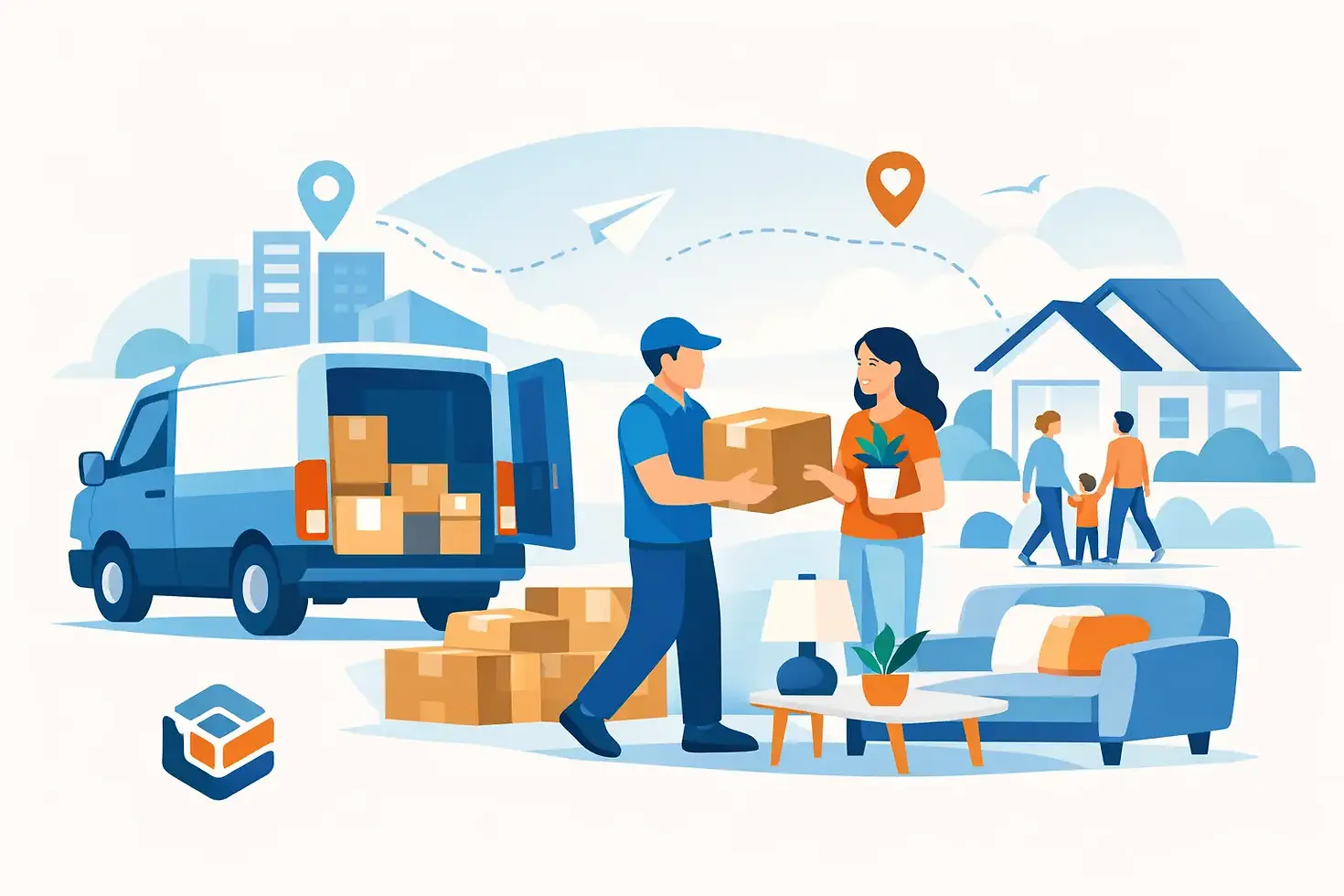
Small Move Delivery Service That Fits Real Life
- Jul 2
- 5 min read
A bookshelf from Facebook Marketplace. A boxed desk from a retail store. Two chairs, a lamp, and a rug that need to get across town before tonight. This is where a small move delivery service makes more sense than a full moving crew or a standard courier.
Most local transport jobs do not look like a traditional move. They are too big for a sedan, too awkward for parcel shipping, and too small to justify the cost and scheduling of a moving company. What people actually need is faster pickup, the right vehicle, and enough flexibility to handle anything from one heavy item to a short apartment move.
When a small move delivery service is the right call
The best use case is simple: you need something moved locally, but you do not need a full-service household relocation. That could mean picking up a sofa from a seller, moving a mattress to a new apartment, delivering office chairs to a workspace, or transporting store purchases that will not fit in your car.
This is also the right option when timing matters. Traditional movers often work best for larger, planned jobs booked days or weeks ahead. A courier app may work for documents or meals, but not for a dining table or a washer. A small move delivery service sits in the middle. It handles bulky or multiple items with same-day or scheduled convenience.
For city residents, that middle ground matters. Elevator bookings, condo time windows, street parking, and narrow stairwells can turn a simple pickup into a logistics problem. A service built for light moving is usually better equipped for those details than a basic point-to-point courier.
What a small move delivery service can move
The category is broader than many people expect. Furniture is the obvious one, but it often includes appliances, boxed retail orders, office equipment, event supplies, groceries, pet food, flowers, medicine, and auto parts. Some jobs are personal, like moving a bed frame from one apartment to another. Others are business-related, like sending same-day inventory or customer orders across the city.
The key factor is not just size. It is whether the item needs a vehicle larger than a passenger car, plus handling that is more careful than standard parcel delivery. A mirror, TV stand, mini fridge, or assembled desk all fall into that space where proper transport matters.
There are limits, of course. Very large house moves, specialty items like pianos, or jobs requiring disassembly, packing, and long carry distances may call for a dedicated moving company. The right service should be clear about what it can handle and when a two-person team is needed.
Why vehicle choice matters more than most people think
A lot of delivery problems start with the wrong vehicle. If the item barely fits, the job slows down. If it does not fit at all, you lose time and may need to rebook.
That is why flexible vehicle options make a real difference. A motorcycle may be enough for urgent documents or small retail items. An SUV works for compact furniture, bags, and boxes. A van gives more protected cargo space for larger pieces, while a pickup truck is useful for bulkier loads and items that do not need enclosed transport.
The right match keeps pricing practical too. You should not have to pay for a large truck if an SUV will do the job. At the same time, going too small can create delays, damage risk, or a second trip. A good booking flow helps customers choose based on item type, dimensions, and weight rather than guesswork.
When you need a two-person lift team
Some items are not especially large, but they are awkward, heavy, or unsafe for one person to manage alone. Think couches, dressers, large TVs, washing machines, or anything that has to go up stairs or through tight hallways.
This is where a two-person lift team matters. It reduces handling risk and makes the move faster, especially when pickup and drop-off points involve elevators, loading zones, or multiple entry points. It can cost more than a solo driver, but it often prevents the bigger expense of failed delivery, property damage, or injury.
How pricing usually works
People often compare a small move delivery service to movers and expect the same pricing model. It usually works differently. Instead of a half-day or full-day moving rate, pricing is often tied to vehicle type, distance, time, and the level of labor required.
That is a better fit for small jobs because you are paying for the actual scope of work. A single chair delivery should not be priced like a studio move. On the other hand, a short-distance move with three heavy items and stair access may cost more than expected because labor, handling time, and complexity all matter.
If you want a more accurate quote, be specific. Share item count, rough dimensions, building access details, whether there are stairs, and whether loading help is available. A blurry “moving a few things” description tends to create pricing problems later.
Speed matters, but reliability matters more
Fast booking is useful only if the job gets done properly. For a lot of urban customers, the real value is not just same-day pickup. It is knowing the driver shows up with the correct vehicle, understands the scope, and can complete the trip without last-minute surprises.
That is especially true for retail pickups, marketplace purchases, and time-sensitive deliveries. If a seller is only available for an hour, or a store has a strict pickup window, there is not much room for confusion. App-based dispatch helps because it shortens the gap between booking and assignment, but the operational side still has to be solid.
A practical service should make it easy to schedule now or later, choose the right vehicle, and add labor support when needed. That combination is what turns urgent requests into manageable ones.
Small moves for apartments, stores, and everyday logistics
Small moving is not just for people changing apartments. It is just as useful for the in-between jobs that happen every week.
A renter might need to move a bed, desk, and a few boxes across town without hiring full movers. A local retailer might need same-day last-mile delivery for large customer orders. A business might need office chairs, display items, or supply runs handled on short notice. In both Vancouver and Toronto, where traffic, parking, and building access can slow everything down, local delivery built around light moving can save hours.
This is also why many customers use the same service more than once. Today it is a dining set from a second-hand seller. Next week it is a store pickup, a stack of inventory, or a replacement appliance. The need is not rare. It is part of how people live and buy in cities now.
How to book the right service without overpaying
The easiest way to keep a small move simple is to match the booking to the job. Start with the item list, then work backward. If you have one boxed item and no stairs, you may only need a basic vehicle and driver. If you have a sectional sofa in a walk-up apartment, book labor support from the start.
Photos help. So do measurements. If there is a loading dock, freight elevator, concierge desk, or parking instruction, include it. Those details sound minor until they add 25 minutes to the job.
It also helps to be honest about flexibility. If your timing is fixed, say so. If you can accept a scheduled window, you may have more options. The more accurate the job details, the smoother the match.
For customers who need local transport without the drag of traditional moving logistics, this is exactly where a platform like Nexoo fits. It gives you same-day or scheduled pickup, multiple vehicle choices, and extra lifting help when the job calls for more than one person.
A good small move is not about making a simple job feel bigger. It is about getting the right help for exactly what needs to happen today, with no wasted steps and no wasted vehicle space. That is usually the fastest route from “How do I move this?” to “It is already on the way.”


Comments