


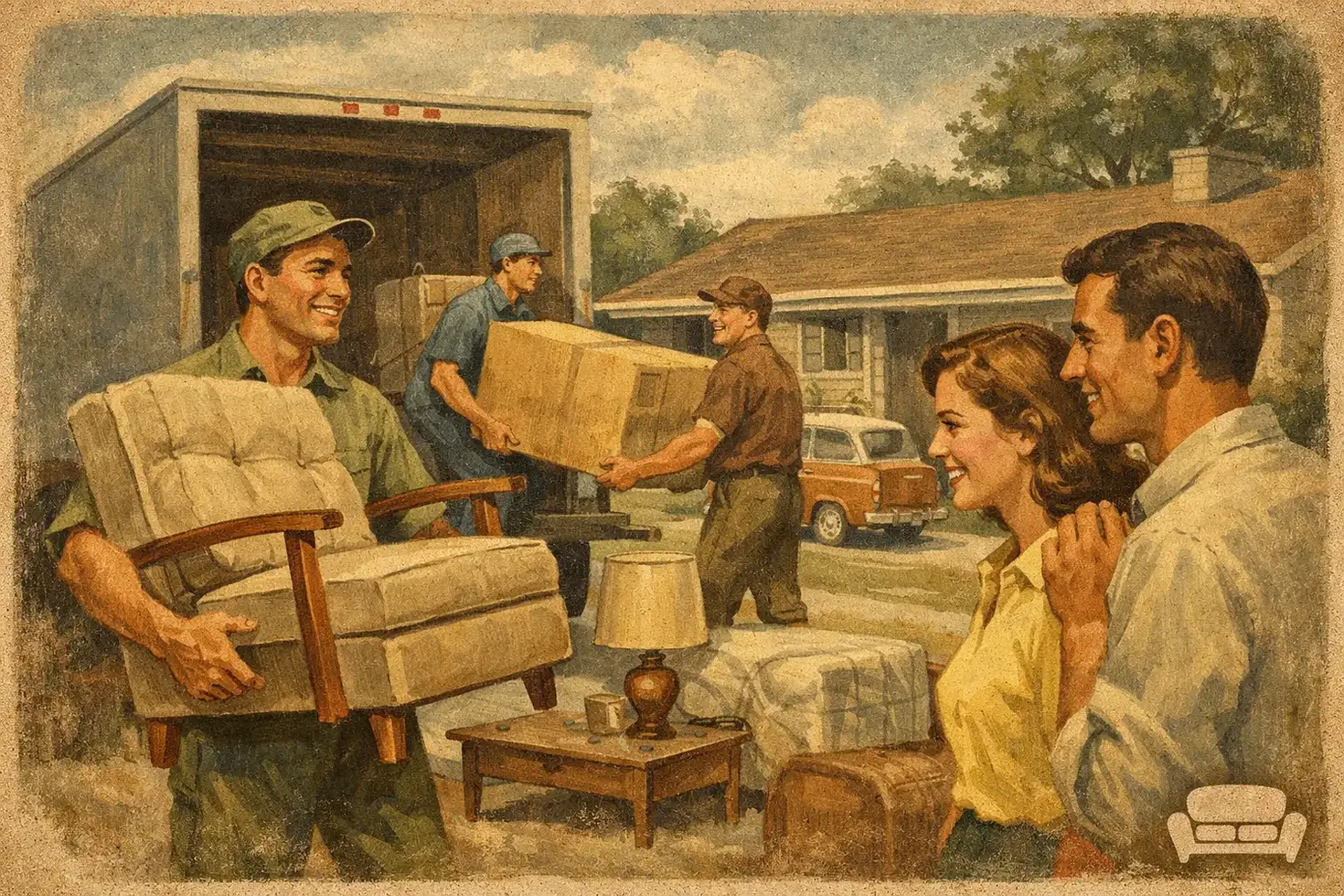
Local Furniture Delivery Without Moving-Day Stress
- Jul 13
- 5 min read
A dining table is not a parcel, and a sofa bought from a marketplace seller does not wait politely in a lobby. Local furniture delivery fills the gap between a standard courier and a full moving crew: fast pickup, the right vehicle, and enough handling help to get one important item home today.
For apartment dwellers, second-hand shoppers, retailers, and anyone replacing a bulky piece without renting a truck, the job is usually time-sensitive. The seller may only be available for an hour. The store pickup desk may close at 7 p.m. Your elevator booking may be tomorrow morning. A good plan keeps those details from becoming a missed pickup or a damaged piece of furniture.
Start With the Furniture, Not the Distance
A short trip can still be a complicated delivery. The vehicle and handling requirements are driven by the item’s size, weight, shape, and access at both ends.
Measure the furniture before requesting a vehicle. Get the item’s height, width, depth, and, when possible, weight. Then measure the tightest points in the route: building entrance, elevator door, hallway corners, stairwells, and the door to the room where it will sit. A couch that fits inside a pickup bed may still not make the turn into a condo bedroom.
Photos matter, too. A clear image of the item and a photo of difficult access, such as steep exterior stairs or a narrow service corridor, help match the job to the right vehicle and level of help. Be direct about whether the item is boxed, assembled, fragile, or unusually heavy. That information is more useful than a vague description such as “medium-sized cabinet.”
Choose the Right Local Furniture Delivery Setup
There is no single best vehicle for every furniture run. Selecting the smallest option that safely fits the item can keep the delivery efficient, but going too small creates delays and unnecessary handling.
An SUV can work for compact furniture, flat-packed boxes, nightstands, dining chairs, lamps, and some disassembled bed frames. A van is often a better fit for mattresses, dressers, boxed furniture, and smaller sofas. Pickup trucks are practical for larger pieces that can be safely secured and protected from weather. For a bulky couch, a large appliance, solid-wood furniture, or anything that needs coordinated carrying, book a two-person lift team rather than expecting one driver to manage it alone.
A motorcycle is excellent for documents, keys, or small parts, not furniture. That may sound obvious, but it illustrates the point: fast delivery depends on matching the job to the equipment. The fastest option is the one that does not require a last-minute vehicle change.
When one person is enough
One driver may be suitable when the item is light enough for a safe single-person carry, access is straightforward, and you or another capable adult can assist if needed. Think boxed shelving, a small desk, or a few dining chairs.
When to request a two-person lift team
Choose two people when the item is heavy, awkward, long, fragile, or needs to go up or down stairs. This is especially sensible for sofas, large dressers, appliances, marble-top tables, and queen or king mattresses. Two-person handling is not just about speed. It reduces the chance of injury, dropped corners, wall damage, and stressful improvisation at the bottom of a stairwell.
Confirm Pickup Details Before Dispatch
Most failed furniture pickups come down to missing information, not a lack of transportation. Before the driver is on the way, confirm the seller’s full address, unit number, pickup window, and phone number. Ask whether the item will be brought to the building entrance or whether it must be collected from inside a unit, basement, garage, or storage locker.
If you are buying through a marketplace, clarify payment and condition before the vehicle arrives. Confirm that the item is still available, identify visible damage, and make sure all parts are included. For a bed frame, ask about slats and hardware. For a table, ask whether the legs detach. For an appliance, confirm whether hoses, shelves, or mounting pieces are included.
Retail pickups have their own rules. Some stores require an order number, photo ID, a pickup appointment, or a specific entrance for oversized goods. A quick check before dispatch prevents the driver from waiting at the wrong counter while the pickup window runs out.
Plan for Building Access and Parking
Furniture delivery often succeeds or fails in the final 100 feet. High-rise buildings can require elevator reservations, loading-dock access, certificates, or a move-in time slot. Check your building rules before you schedule same-day service, particularly in Toronto and Vancouver, where apartment access and curb space can be tight.
Tell the driver where legal stopping or loading is possible. If the pickup or drop-off is on a busy street, meet the driver at the curb when you can. Reserve the elevator, clear the hallway, and move rugs, plants, shoe racks, and other obstacles out of the route. These small steps shorten the job and protect both your furniture and your building.
Parking is a practical cost and timing issue. A delivery that requires several blocks of carrying is different from one with a clear loading zone outside the door. If paid parking, a concierge check-in, or a loading dock is involved, share that early so the plan matches the location.
Protect the Item Before It Moves
Used furniture can be perfectly serviceable while still having vulnerable corners, loose drawers, or glass components. Wrap sharp edges, secure doors and drawers, and remove detachable legs or shelves when possible. Keep screws and small parts in a labeled bag taped to the main piece or carried separately.
For upholstered furniture, a cover can protect against dirt and weather during loading. For wood or glass, padded blankets and proper tie-downs help prevent scratches and shifting in transit. Do not stack heavy boxes on a delicate tabletop just because there is open space in the vehicle. Efficient loading matters, but safe loading matters more.
If an item is damaged before pickup, document its condition with photos. That is particularly useful for marketplace purchases, where there may be no return desk to visit later.
Same-Day Delivery Works Best With Clear Timing
Same-day service is ideal when the item is ready, access is confirmed, and both parties can respond quickly. It is less predictable when a seller says “come anytime,” a building has no elevator availability, or the furniture still needs to be taken apart.
Build in a realistic buffer. A driver may arrive promptly, but the actual job includes parking, loading, securing the item, travel, unloading, and navigating the building. Schedule delivery before a hard deadline rather than trying to fit a sofa pickup into the 30 minutes before an event or work shift.
If the pickup can wait, scheduled delivery can be the better choice. It gives you time to reserve elevators, arrange building access, and make sure someone is available at both locations. On-demand and scheduled options solve different problems. The right choice depends on urgency and how much coordination the job requires.
A Better Way to Handle the One-Item Move
Full-service movers make sense for a whole apartment, a multi-room home, or a job that needs packing and extensive labor. But for one couch from a seller, a dresser from a store, or a replacement mattress needed this afternoon, they can be more service than the job requires.
That is where an app-based local delivery platform such as Nexoo is useful. You can request pickup and delivery for the specific item, choose a vehicle that fits, and add a two-person lift team when the furniture calls for it. The goal is simple: move the item you need without turning a one-piece purchase into a full moving-day project.
Before you confirm, take one last look at the measurements, access notes, pickup contact, and delivery window. A few accurate details at the start are what turn a furniture find into furniture in your home.


Comments